The 2019 Ghost Derby: A Clinical Autopsy of North Korea’s Deleted World Cup Qualifier

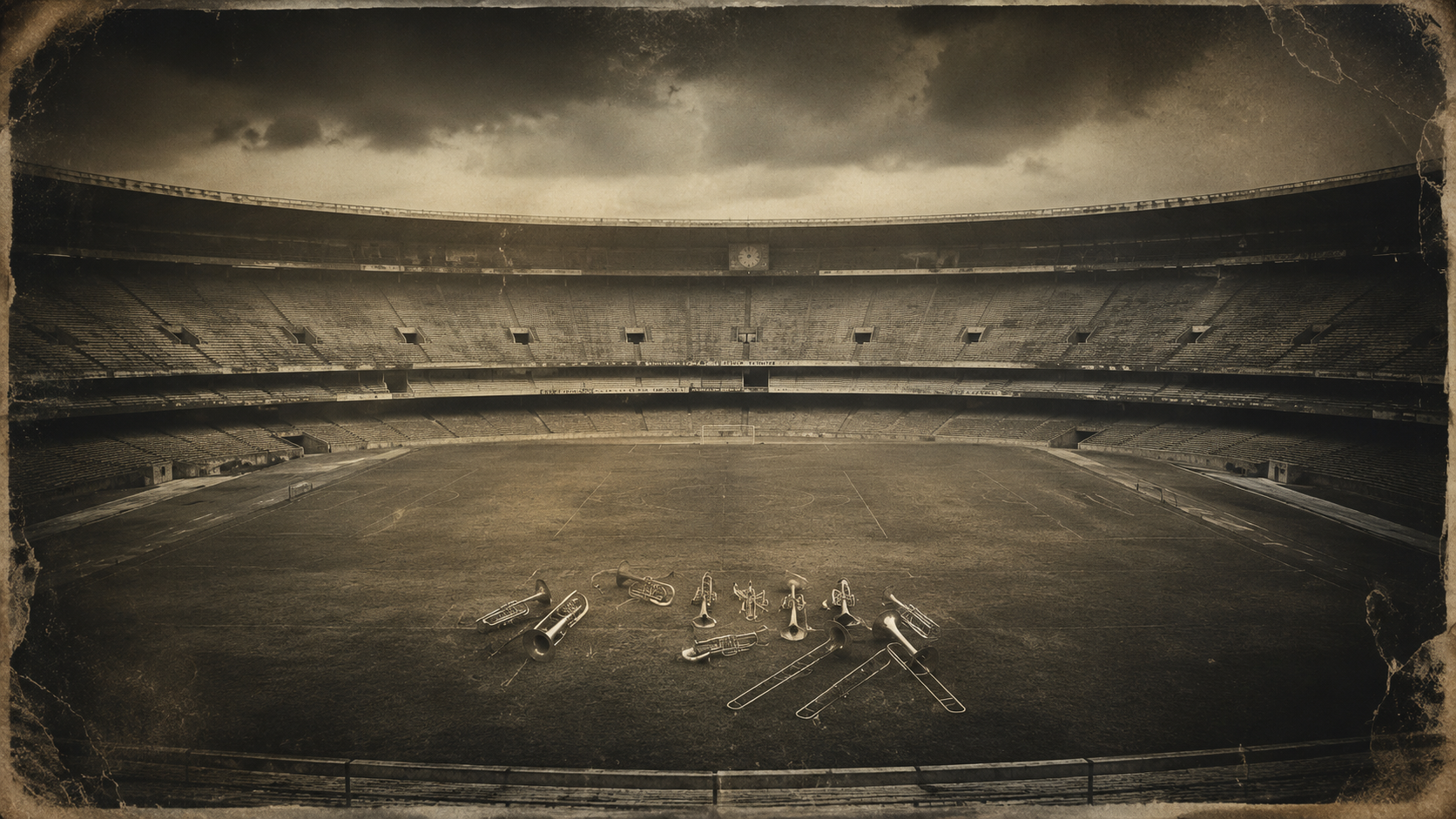
Cinematic wide shot of the empty Kim Il-sung Stadium in Pyongyang under cold forensic lights, evoking a sense of lost media.

There is a particular species of unease that the human mind reserves for the thing that should be visible but is not. A photograph with a face cut out. A voice recording that dissolves into static at precisely the consequential moment. An official document with a paragraph redacted—not sloppily, not apologetically, but with the bureaucratic … Read more

The aagaa.com Incident: Tracking Korea’s Lost ‘Salaryman’ Body Horror (2001-2004)

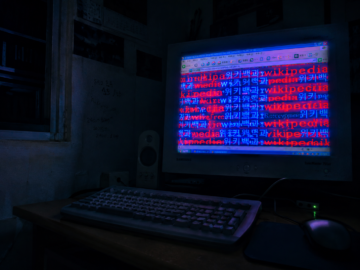
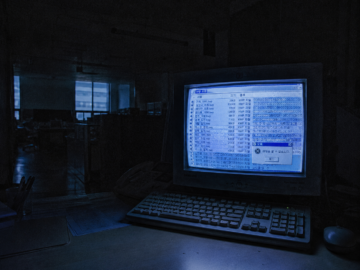
Eerie abandoned Korean internet cafe with a glowing monitor showing lost Ggoraji Flash animation.

There is a particular category of dread reserved for things that should exist but don’t. Not the clean grief of something destroyed—a bombed archive, a melted reel—but the ambient, low-frequency unease of something that simply stopped being retrievable. It exists somewhere in the gradient between forgetting and erasure, occupying a conceptual space that archivists call … Read more

Permanent Loss: Why the Archive Can’t Recover RINGO’s ‘Calamari Ondo’

Digital void in a server room representing the lost media of RINGO Calamari Ondo with a glitching silhouette.

The internet does not forget. This is the axiom we have built our digital civilization upon. It is the reassurance that everything uploaded persists somewhere, cached in a server farm, archived by a bot, or screenshotted by a stranger. It is a comforting lie. And the case of RINGO’s Calamari Ondo is its most clinical … Read more

Mon Cheri CoCo (1972): The Forensic Audit of a Lost Shojo Anime

A vintage Japanese television displaying a lost 1972 shojo anime girl through heavy analog static in a dark room.

There is a specific kind of dread that belongs exclusively to incomplete archives. It is not the dread of a monster or a threat. It is the dread of a signal that once existed, carried meaning, entered the minds of thousands of children, and then simply ceased to be recoverable. Not destroyed in a fire. … Read more

The Disappeared Murals: A Forensic Post-Mortem of South Korea’s Banned 1980s Art

A massive political mural being burned in a South Korean university courtyard by riot police, late 1980s aesthetic.

There is a particular kind of dread that has no Western analogue. It is not the dread of the unknown, which Western horror has catalogued exhaustively. It is the dread of the deliberately obliterated: the object that existed, that was witnessed, that was recorded in the nervous systems of thousands of people, and that was … Read more

The Jeon Tae-il Case: How South Korea’s Most Dangerous Children’s Book Vanished

A forensic close-up of a library shelf where one book is being eerily replaced by another, symbolizing the erasure of Jeon Tae-il's biography.

There is a specific category of wrongness that operates below the threshold of public scandal. It does not announce itself. It does not leave a crater. It leaves, instead, a clean shelf. A tidy number in a series. A new cover where an old one stood. The book you are looking for is gone, and … Read more

The Shackleton Ad: Why the World’s Most Famous Recruitment Poster Never Existed

A decaying 1914 newspaper clipping on Antarctic ice, representing the missing Shackleton recruitment advertisement.

The most celebrated recruitment advertisement in human history has never been found. Not lost in a fire. Not damaged in storage. Simply never located. In any archive. In any newspaper. In any form that constitutes verifiable primary evidence. The ad that supposedly attracted 5,000 applicants for a journey toward certain death, the ad that inspired … Read more

Oral Autopsy of a Vanished Game : The Tactics Mercenary Case and the Architecture of Digital Oblivion

A lonely 90s computer monitor in a dark room showing a server error, representing the lost media of Tactics Mercenary.

No footage. No screenshots. No server logs. The only evidence that Tactics Mercenary ever existed is the memory of people who played it. And memory, as any forensic analyst will confirm, is the least reliable form of documentation known to the discipline. But it is all there is. So it is what this investigation will … Read more

The 1987 ATV Fire: Why the World’s First Three Kingdoms Drama is Gone Forever

Cinematic depiction of a burning 1970s television set and melting film reels representing the loss of Samguk Chunchu 1976.

The first person to dramatize the Three Kingdoms for television is dead. The performance no longer exists. The tape that held it melted. You cannot watch it. Not because it was never made. Because a building burned in 1987 and nobody saved what was inside. The oldest recorded visual interpretation of one of the most … Read more

The 1 vs 100 Erasure: Why Hundreds of Episodes are Legally Forbidden to Exist

A cinematic, eerie shot of an abandoned 1 vs 100 television studio set with decaying pods and a glowing static monitor, representing institutional erasure.

The episodes still exist. That is not the problem. The problem is that a legal mechanism was embedded into the format contract before the first episode ever aired, specifically designed to ensure that what you watched could not be watched again. Not by accident. Not through negligence. By design. You were permitted to see it … Read more